Welcome to the Department of Biology
Studying life in all its forms and scales through cutting-edge research and innovative teaching.
Meet the New Center for Botany
Botanical sciences are more important than ever. Learn about the research and outreach our dedicated researchers are investing in.
Giving
Your donations can improve the student experience, advance research, and support efforts across the Department of Biology.
Undergraduate Programs
Explore majors, honors curriculums and certificates.
Graduate Programs
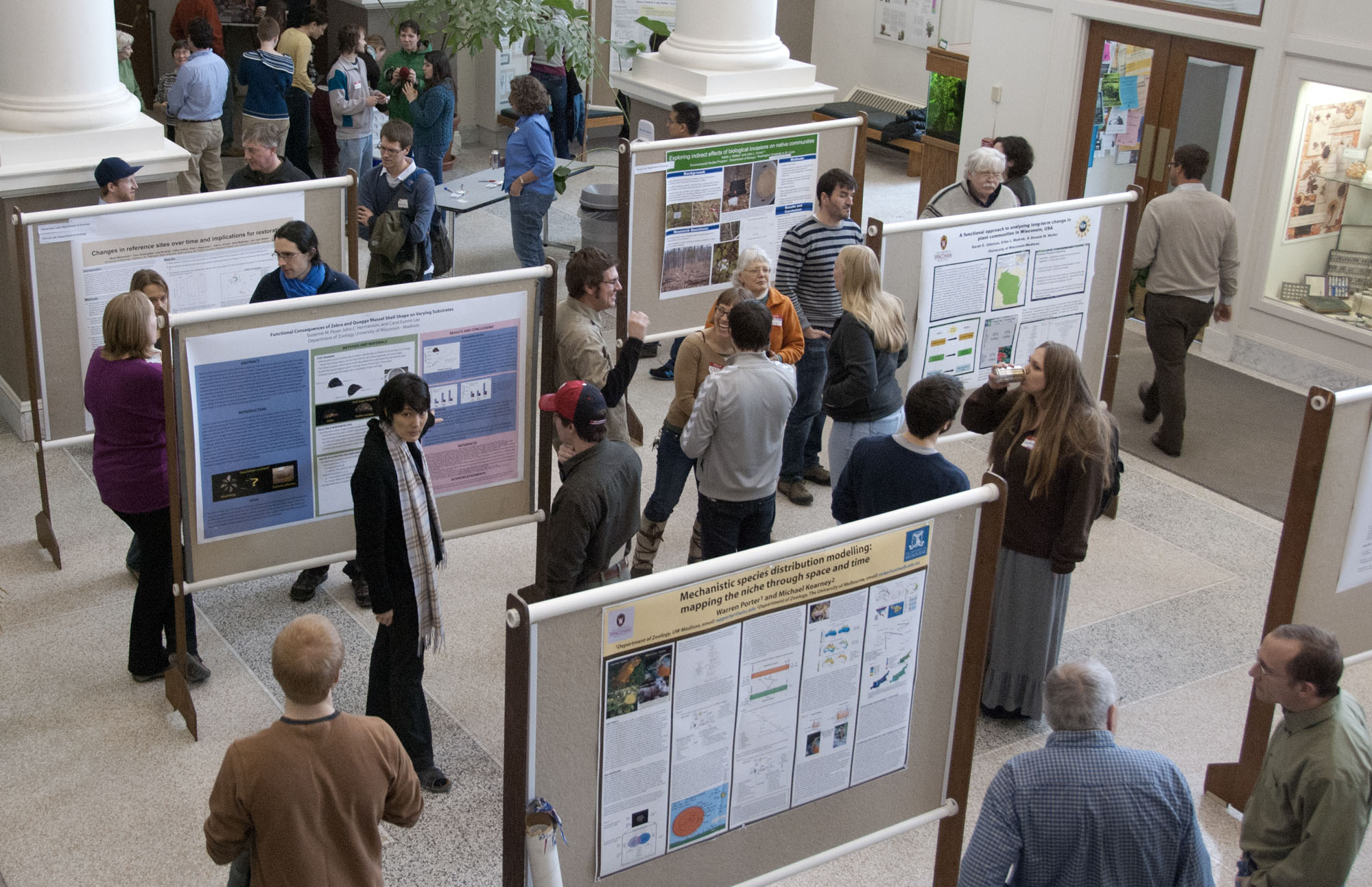
Considering a Master or PhD? Explore these programs.
Research
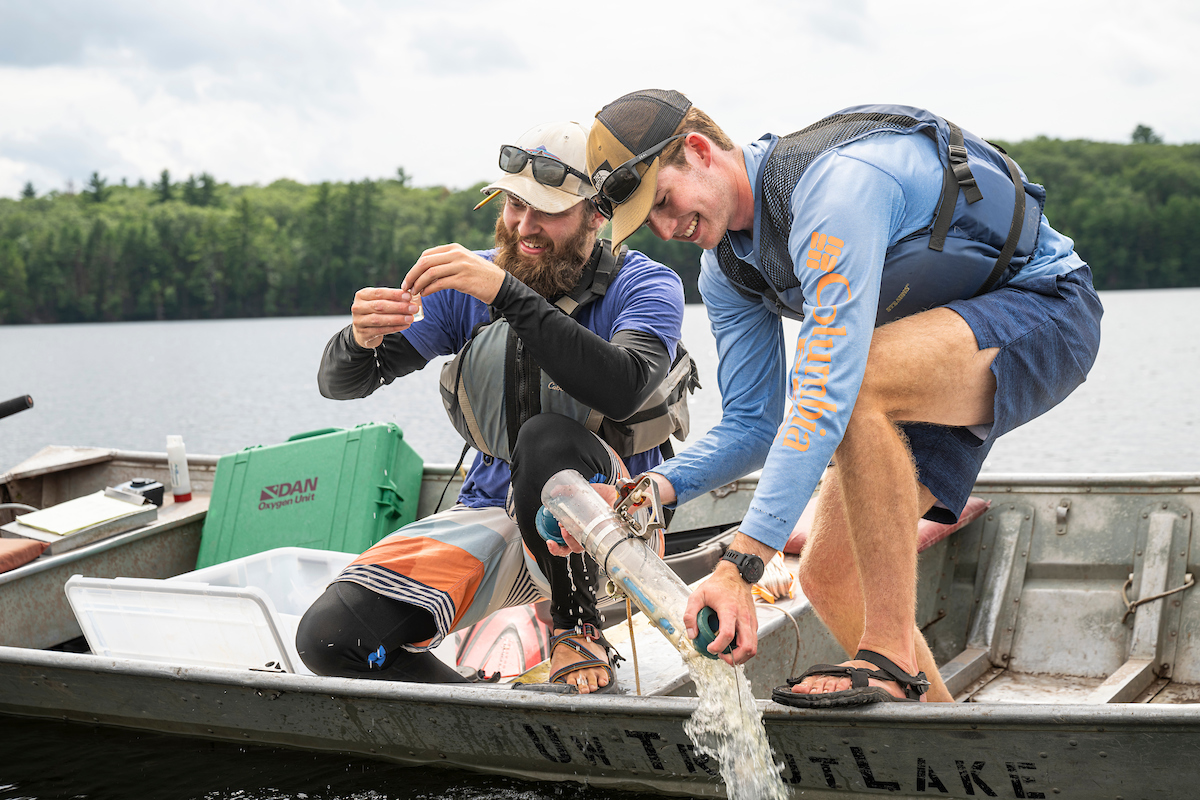
Researchers in the Department of Biology are in the field and in the lab studying flora, fauna, fungi and more.
Featured News
Making research less daunting: Bio 152 prepared undergraduate for prestigious research fellowship
Research | Students
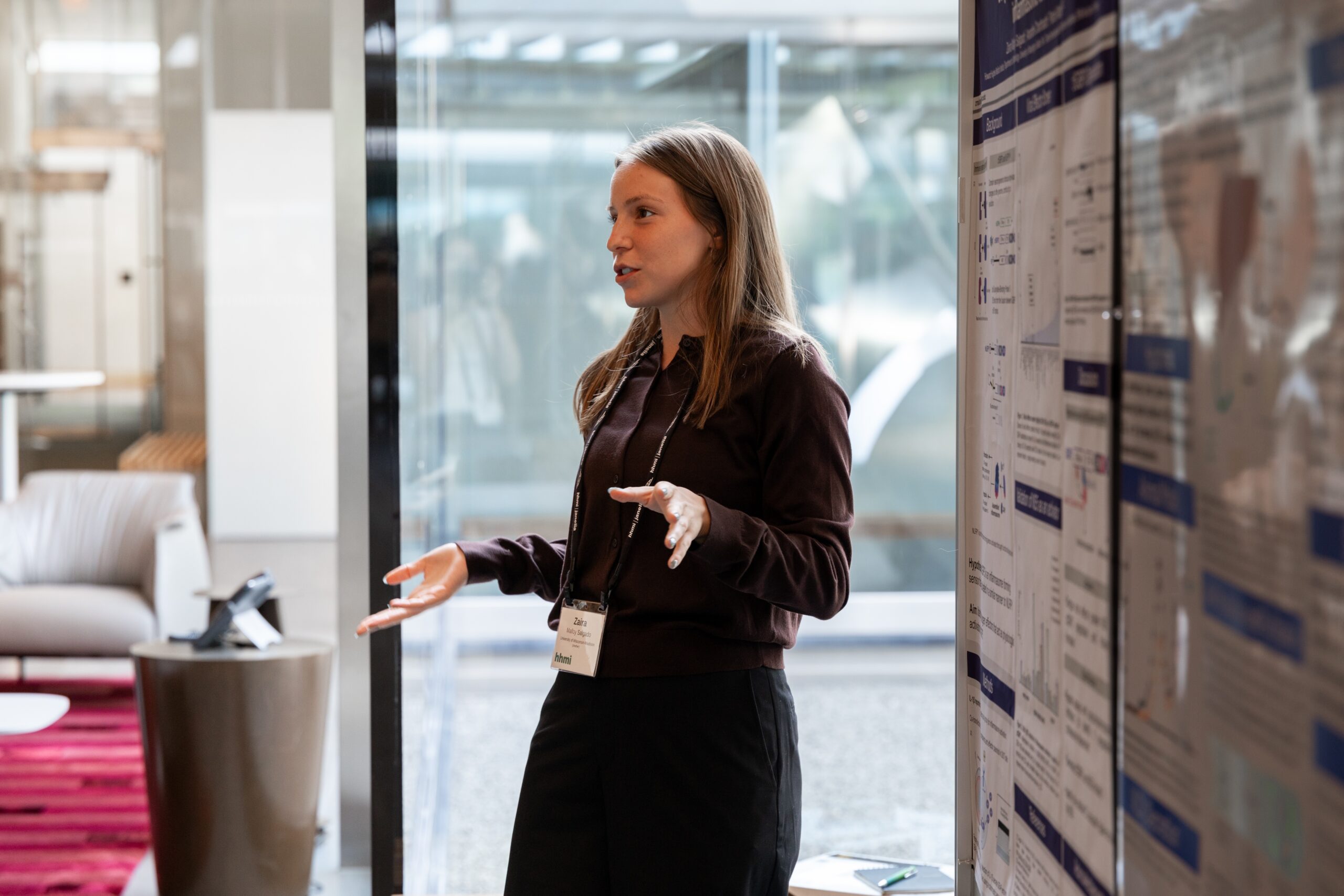
Zaira Malloy-Salgado, a senior majoring in Molecular and Cell Biology, spent the summer as an inaugural HHMI Cech Fellow. The program matches students with HHMI scientists conducting fundamental research to advance our understanding of biology and health.
A few years ago, research was still daunting and intimidating to Malloy-Salgado. But thanks to Biology 152 and the course’s independent project, she was encouraged to take the leap.
Faculty Q&A: Daniel Spalink uses systematics and collections to study global plant biodiversity
Faculty
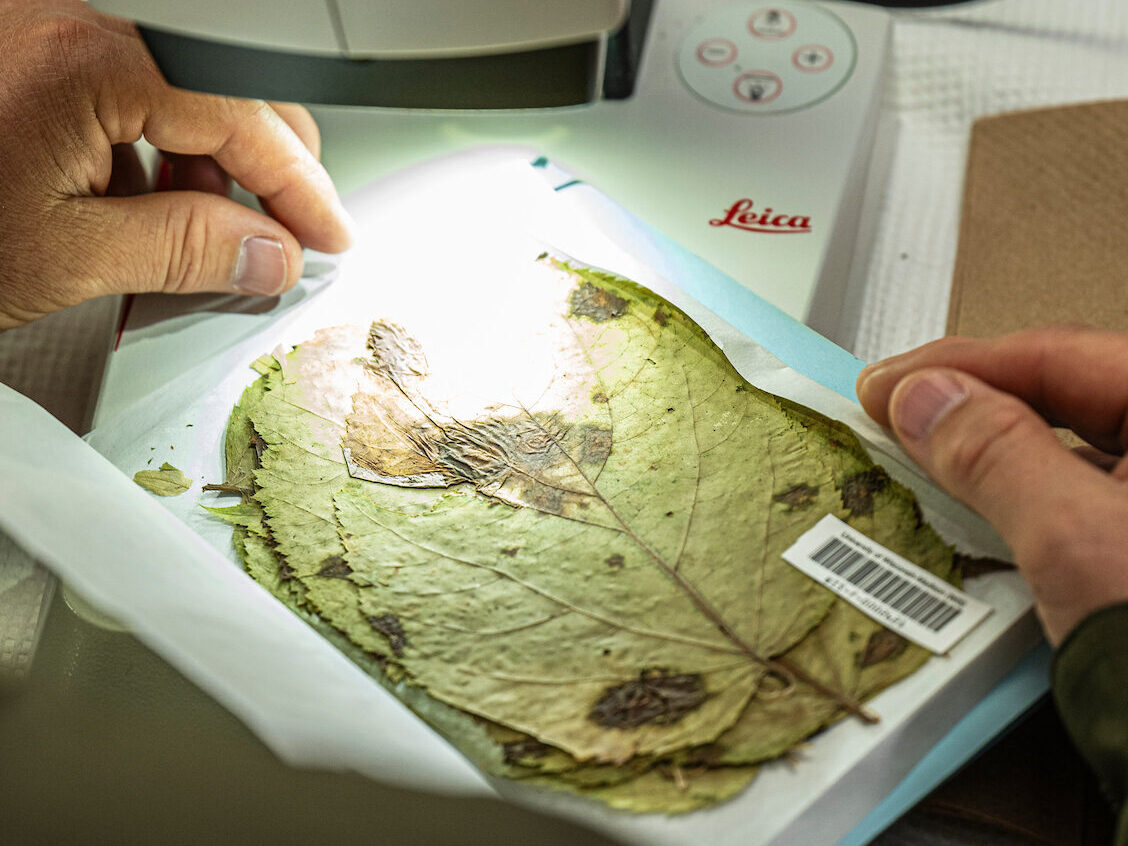
Daniel Spalink is a plant systematist and biogeographer working to extract new data from collections of centuries-old plant specimens.
Department of Biology FAQs
Department News
Answers to frequently asked questions about the new Department of Biology.
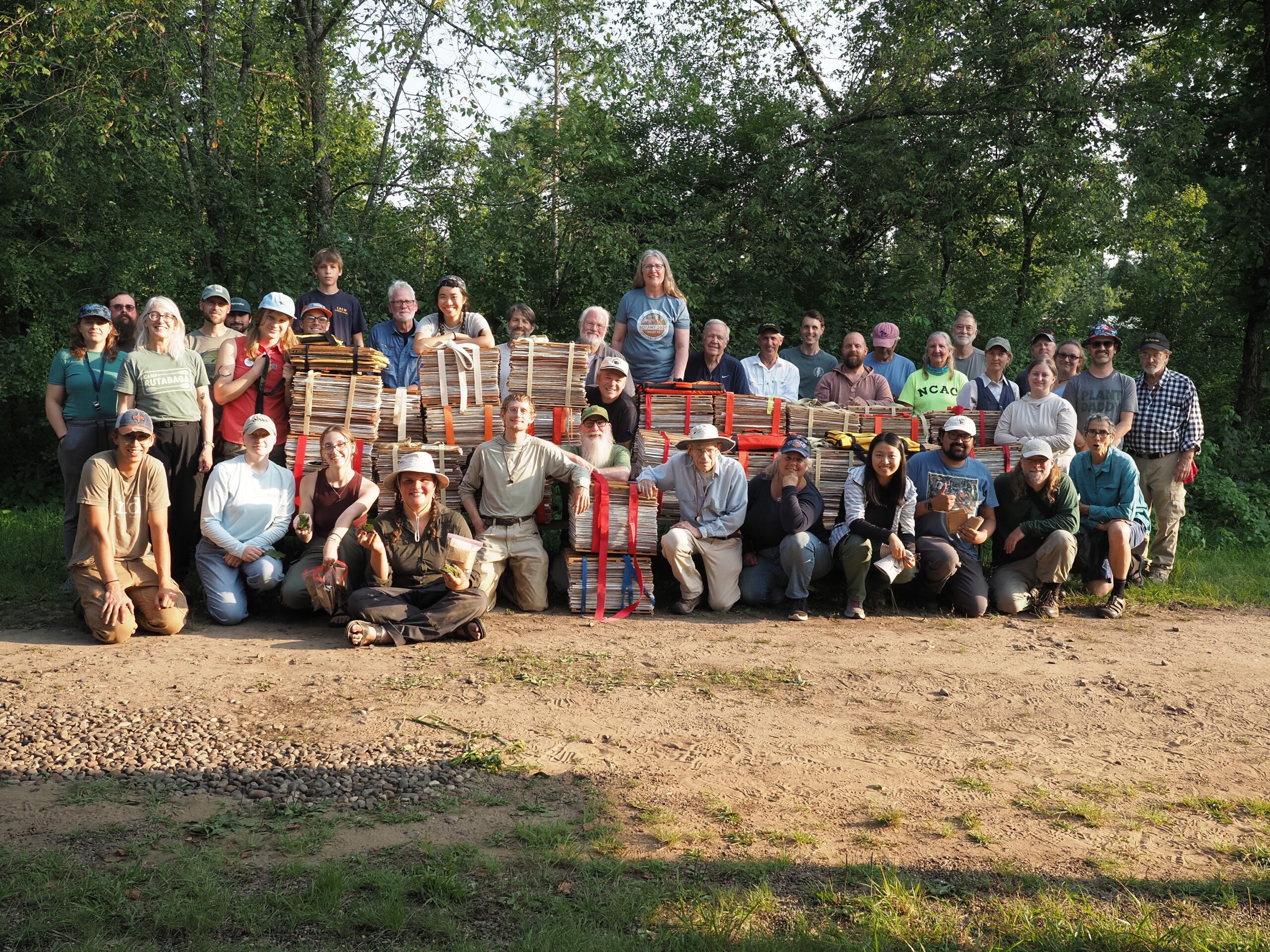
Plant enthusiasts joined the Wisconsin Herbarium’s 2026 Foray in La Crosse County, Wi
Research
Each year, the Wisconsin State Herbarium conducts a foray in a region of the state underrepresented in their collection. Together, volunteers collected over 1,200 plant specimens to add to the collection.
Department Events
October
-
October 29Biology Colloquium: Daijiang LiCities and Seasons: Tracking Global Change in Plant Biodiversity and Phenology3:30 PM, B302 Birge Hall
November
-
November 5Biology Colloquium: Aaron RagsdaleReconstructing the human past: insights into our evolutionary history and genome biology3:30 PM, B302 Birge Hall
-
November 12Biology Colloquium: Lena HilemanPatterns and processes of floral diversification in the wildflower genus Penstemon3:30 PM, B302 Birge Hall
Biology Colloquium
The Biology Colloquium is a series of lectures hosted by the Department of Biology.
To subscribe to the Biology Colloquium mailing list…
News
-
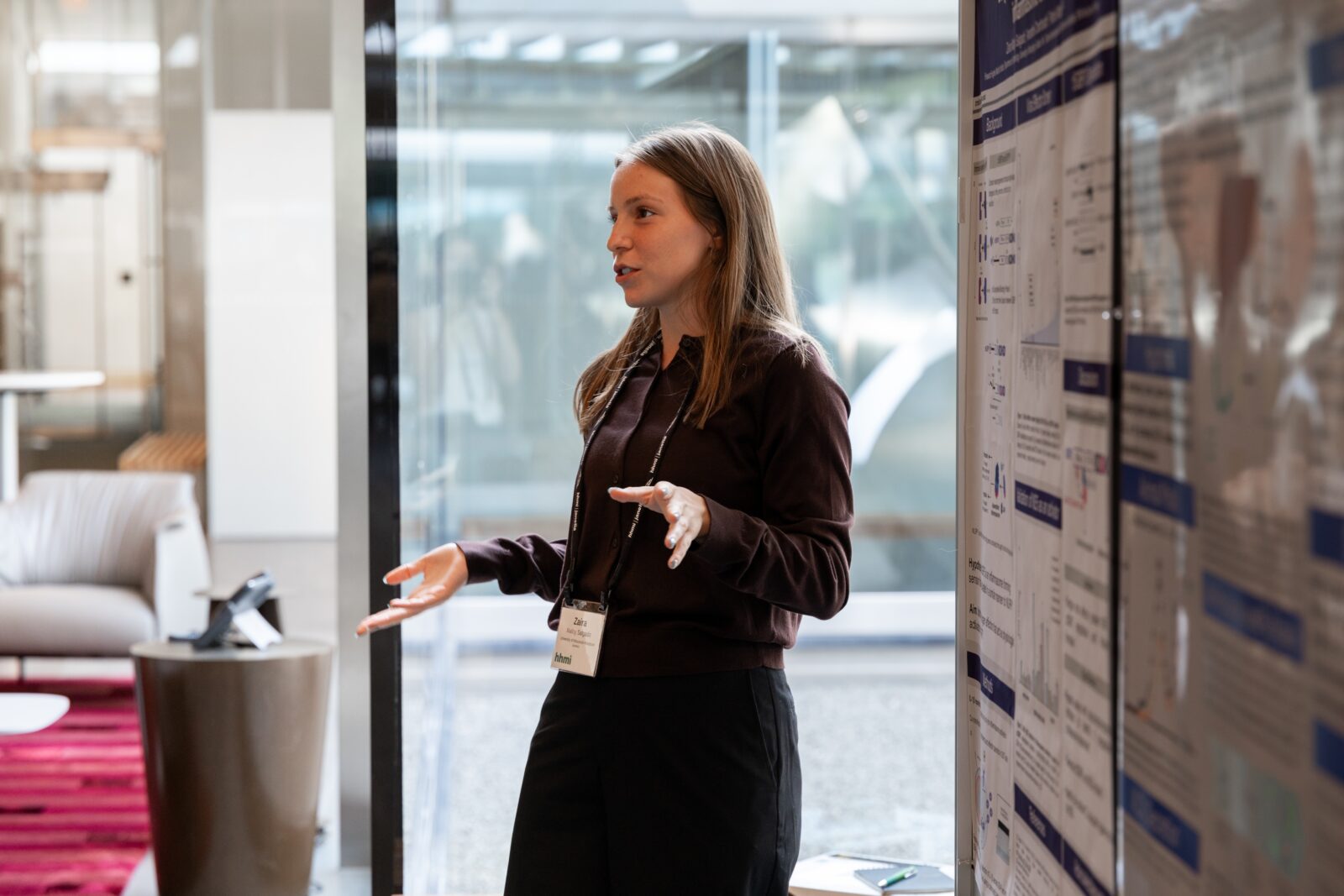
Making research less daunting: Bio 152 prepared undergraduate for prestigious research fellowship
Zaira Malloy-Salgado, a senior majoring in Molecular and Cell Biology, spent the summer as an inaugural HHMI Cech Fellow. The program matches students with HHMI scientists conducting fundamental research to advance our…
-
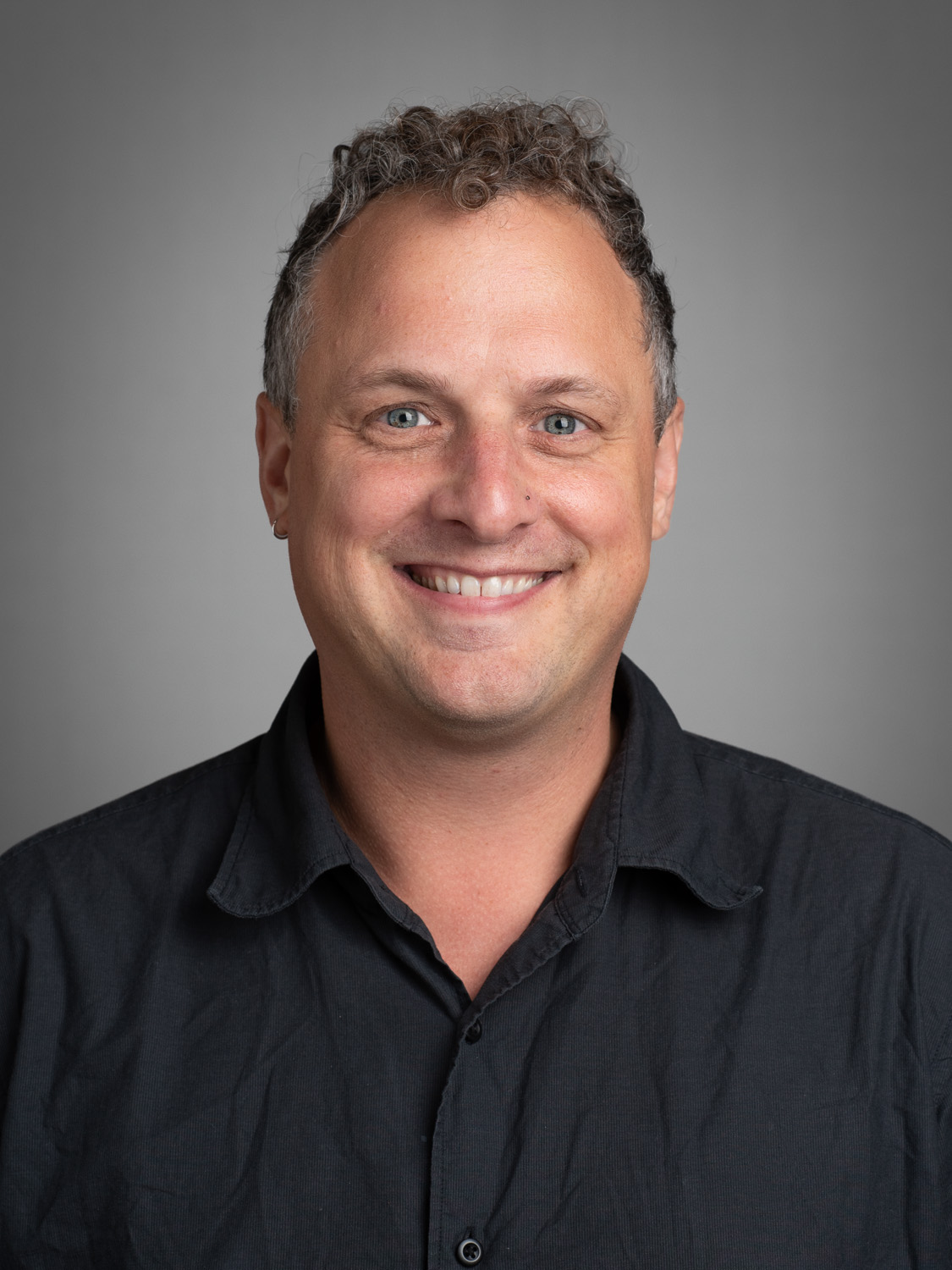
Faculty Q&A: Daniel Spalink uses systematics and collections to study global plant biodiversity
Daniel Spalink is a plant systematist and biogeographer. He integrates genetics with data on plant occurrences from global databases and herbaria around the world to improve our understanding of biodiversity. Spalink completed…
-
TA Applications Open; positions in Department of Biology, Biocore
The Department of Biology The Department of Biology is accepting TA applications via this online form. Deadline: Sunday November 1, 2026. Please contact Nazan Gillie with questions, atilla@wisc.edu. Biocore Biocore is accepting spring semester TA applications! We…
-
Magical Monarchs at the Biocore Prairie
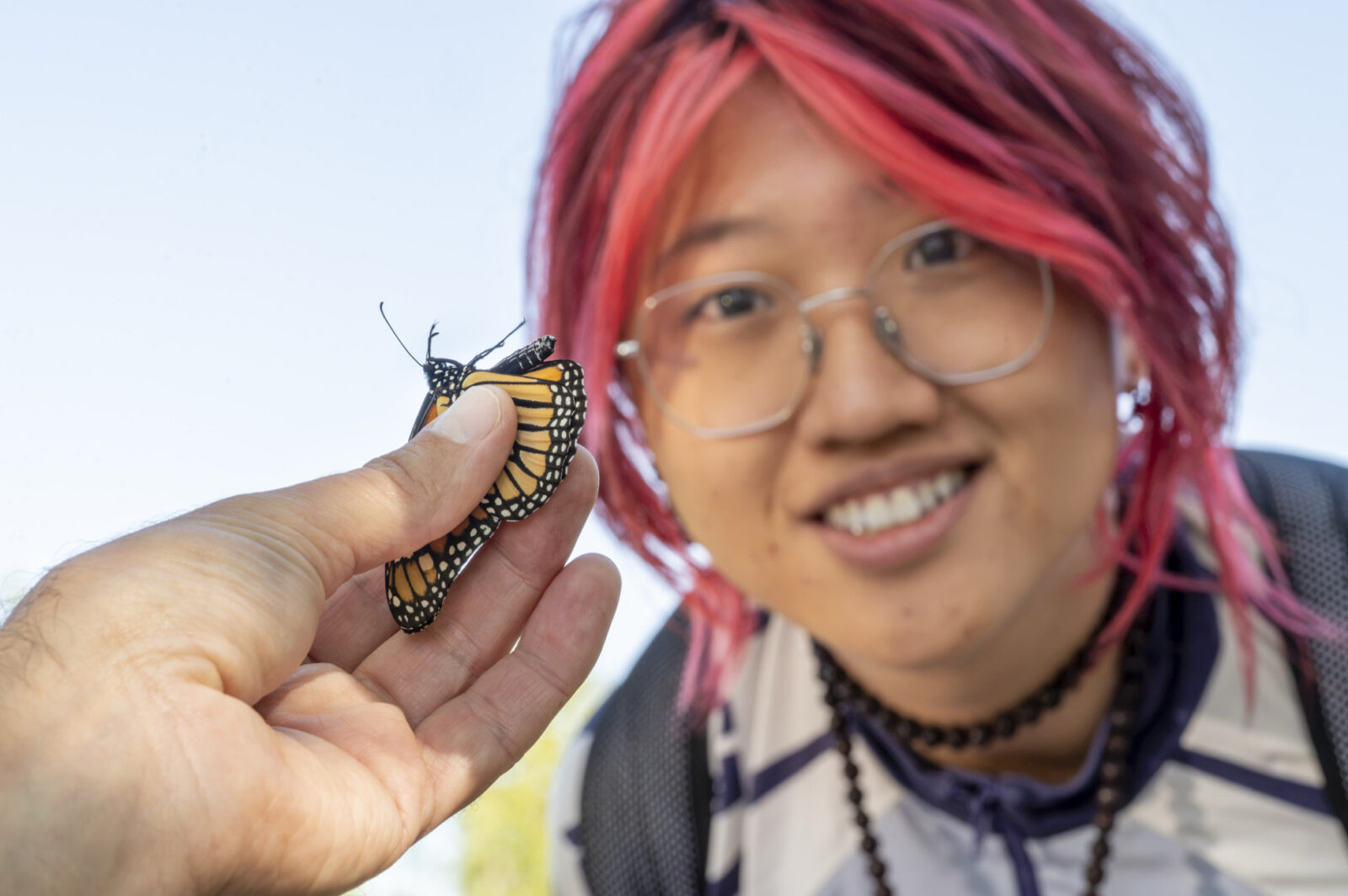
Seth McGee led a community science outreach even on Sunday 9/13/2026, inviting students from across campus to net, catch, tag, and release monarchs. A select few monarchs that qualified were also fitted…
Media Mentions
-
The Flesh Eaters: UW Zoological museum’s Dermestarium featured on Channel 3000
Howard Veregin, the Wisconsin State Cartographer, joined John Stuhler, the curator of mammals and birds at the University of Wisconsin Zoological Museum for a trip to visit the flesh-eating dermestid beetle colony…
-
Botany Grad Student talks mentorship in Science Careers
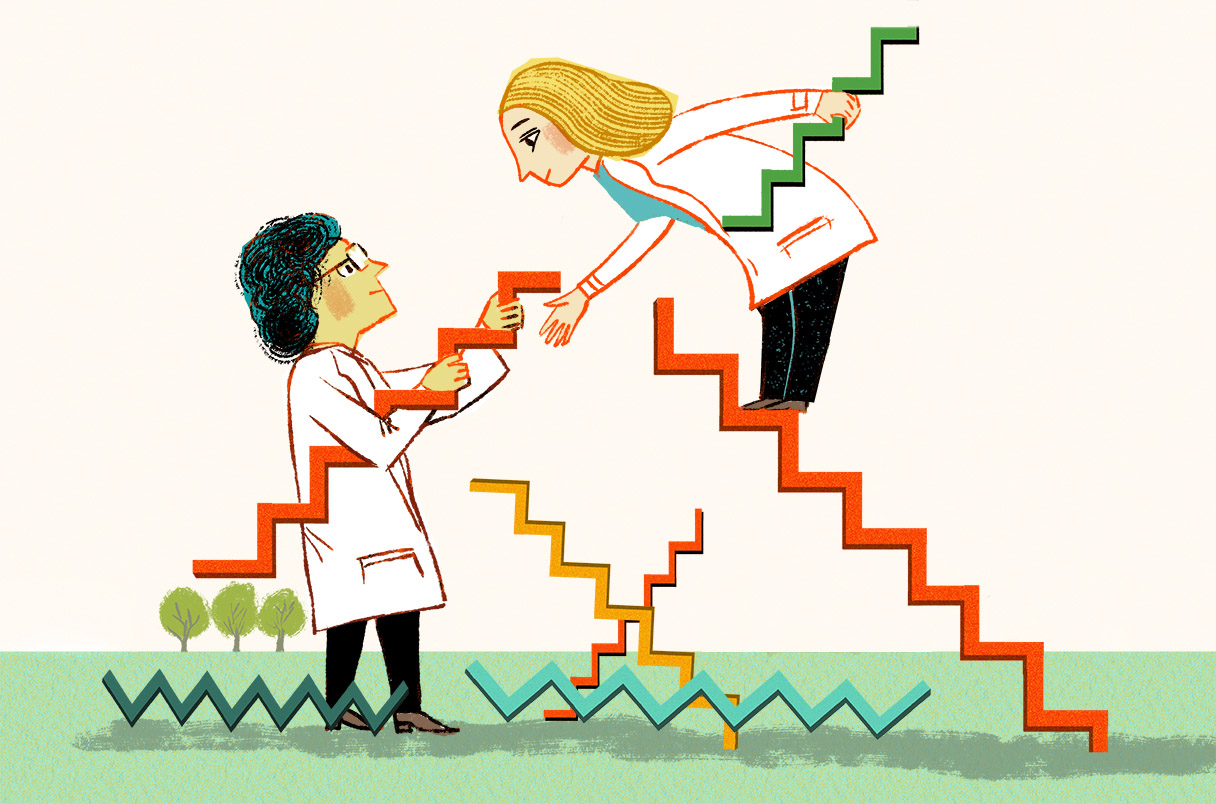
To help readers at all career stages become the supportive mentors and supervisors they aspire to be, Science Careers asked researchers, including Botany Graduate Student Joseph Walston, to share the lessons they’ve learned on…
-
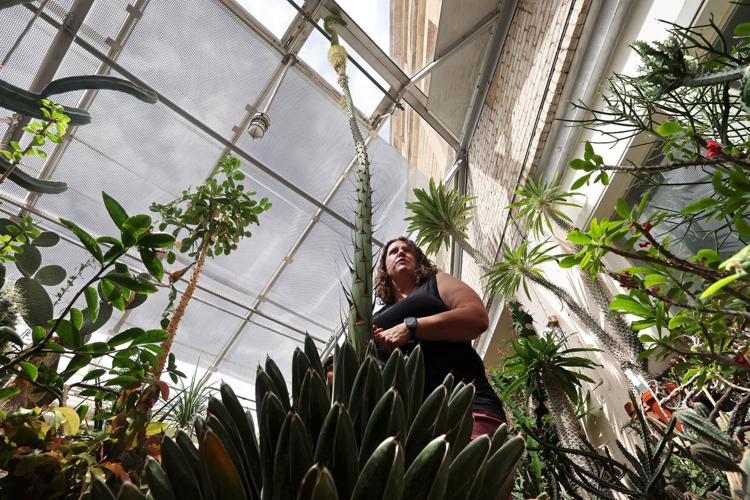
Agave Death Bloom featured as State Journal Photo of the day
UW–Madison’s Botany Garden and Greenhouse’s Agave victoriae-reginae plant bloomed in early June, catching the attention of the public and the Wisconsin State Journal. The plant, which is about 30 years old, blooms…
-
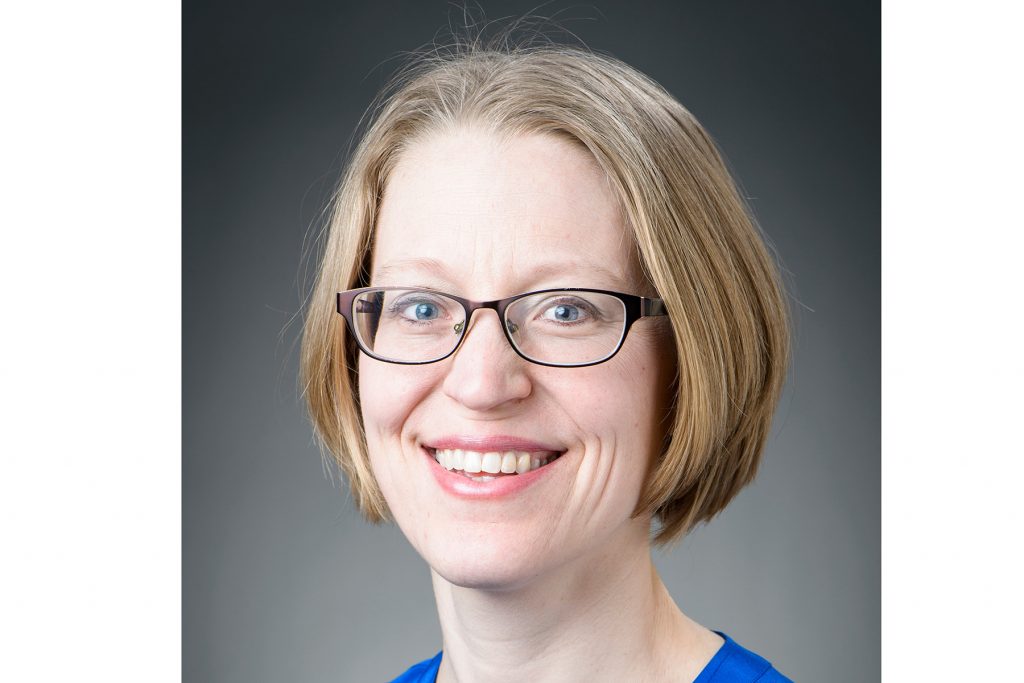
Professor Damschen talks biodiversity on WPR
Professor Ellen Damschen joins WPR’s The Larry Meiller Show to discuss why biodiversity matters in Wisconsin, and what scientists are doing to conserve plant and animal life. Listen to the episode.
-
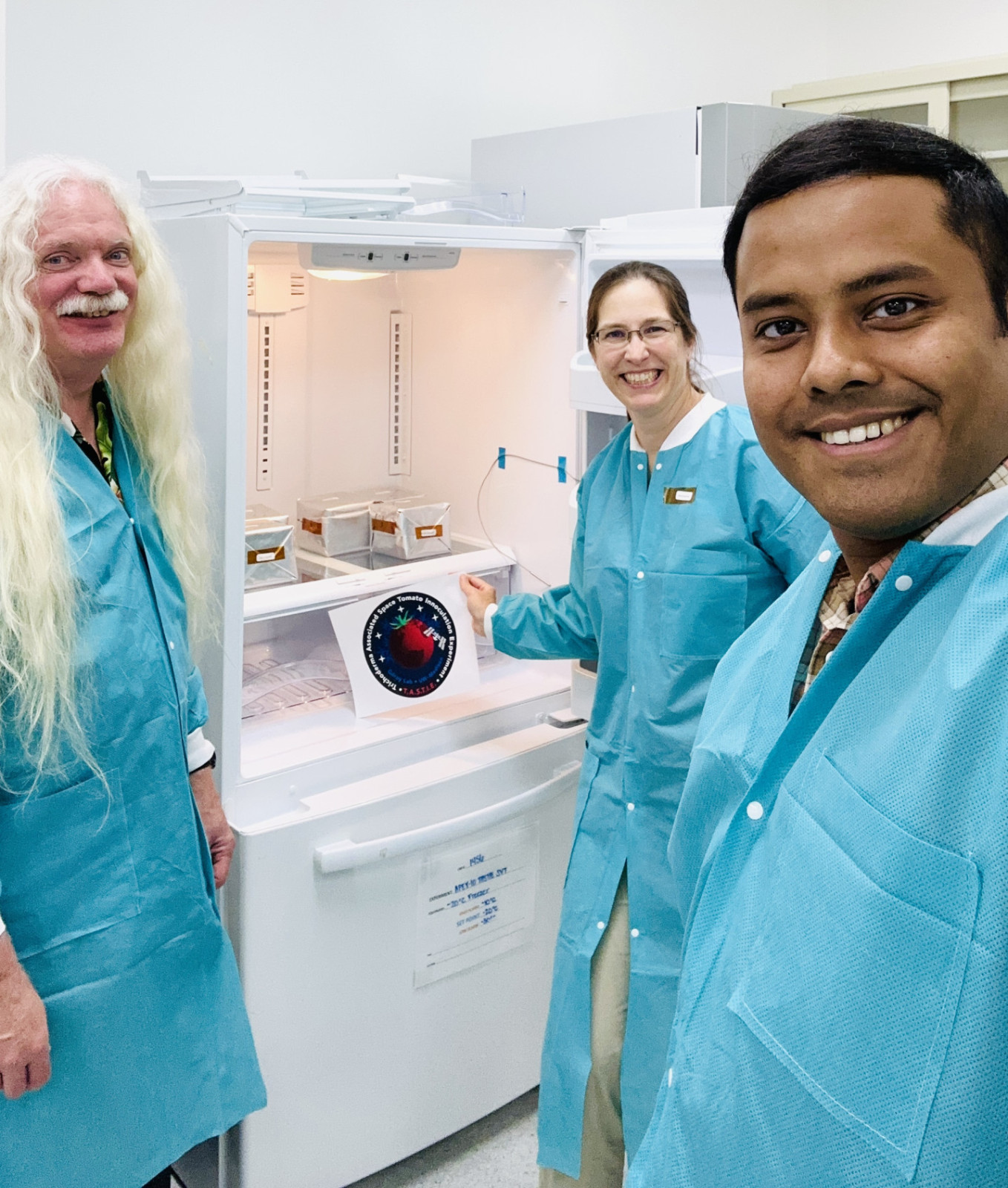
Professor Simon Gilroy on Startalk with Neil deGrasse Tyson
Are plants more aware than we think? Do they have feelings? Neil deGrasse Tyson, Gary O’Reilly, and Harrison Greenbaum explore the intelligence of plants with astrobotanist Simon Gilroy. From venus flytraps to…